August 2026
INTRODUCTION: Murphy slept on my couch when he first arrived in Los Angeles to work at HITS in 1986. We’ve been friends since.
I formally interviewed Murphy twice in 2018. Audio tracks are from the second interview recorded on a houseboat in Marina del Rey, California, May 22, 2018.
Chapter One: Murphy Gets An Indie
Chapter Two: Turn The Lights Off
Chapter Three: Welcome To Your New Home
Chapter Four: Shit Gets Wacky
Chapter Five: The Publishers Get Their Money
Chapter Six: Murphy’s Ties That Bind
CHAPTER ONE: Murphy Gets An Indie
In 1983, KZZB B95 in Beaumont/Port Arthur, Texas scored a coveted P2 (parallel level 2) reporting status in Radio & Records. That was good for its Program Director Mike Murphy.
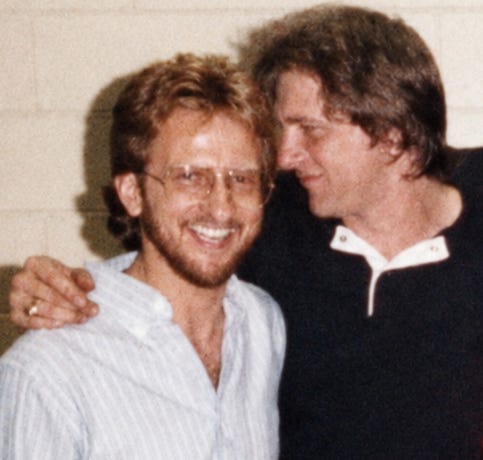
MURPHY: “In 1983, once you earned R&R reporting status, your station became powerful, even small stations. P1s were the biggest, P2s were the middle markets, and P3s were smallest. The independent promoters were all over the place at that time. When we got our P2, every indie jumped out and wanted to work with us. We had guys coming from everywhere. Different guys had different ways. Some came on with drugs or women or whatever: ‘We got you covered. Whatever it takes to work with you.’ I went with an indie because I saw everyone else in the business getting support, and I wanted in.”
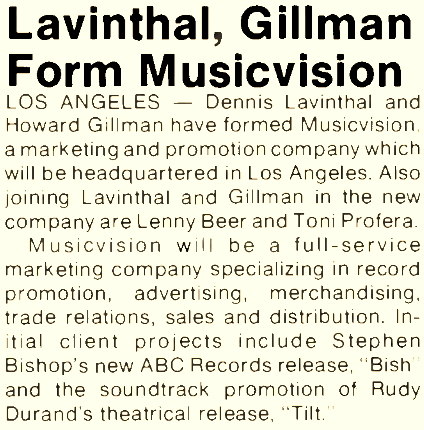
The indie he chose was Musicvision, owned and operated by Dennis Lavinthal and Lenny Beer.
(MURPHY AUDIO - Murphy chooses Jewish guilt. 00:47)
MURPHY AUDIO TRANSCRIPT: “Don Anthony — he was working for them at Musicvision and he was a guy that I had known for a little while. He had called me before my station was really important at all. So I kind of knew him, and when the day came, when we had that almighty reporting status, all the indies came out, of course. And everybody came to town and everybody had their offers of this, that, the other. And Don was in and we were out and he was like, ‘Look dude, it’s really simple. It goes with some of these guys, some of the goons, they’re not going to be happy if you don’t play some things that they want and they could get rough. My guys, my Jewish guys, the worst you get is guilt.’ And I was like, you know what? Guilt. I’ll take the guilt.”
KZZB P2 Program Director Murphy became a Musicvision guy. Beer’s job was to help Murphy succeed and move to a bigger station so Musicvision could charge labels more for reported adds and airplay. By 1986, indies were billing anywhere from $500 to $2500, and considerably more, per add per station depending on its R&R status and how badly the label needed the add that week (Doubles? Triples?). Station adds weren’t Musicvision’s only way to bill the labels. Chart position (R&R “Breaker” anyone?) and other performance benchmarks were also creatively billed.

(MURPHY AUDIO- Murphy becomes Beer’s guy. 00:30)
MURPHY AUDIO TRANSCRIPT: “You have to keep in mind that this is a period of time in radio that there was no monitoring of stations. So you reported. I’m playing the hits because I want to be successful. Now I can report that I’m playing something that maybe I’m playing or maybe once a night overnights. And that was part of that. But they would always turn me on to big hit records because it was good for me. And the bigger my station became, the more they could charge the labels for access.”
In 1984, another Musicvision guy, Program Director Michael St. John, was leaving WWKX KX106 Nashville. Beer and St. John helped Murphy get the job and Musicvision kept the station (and kept St. John wherever he went). That’s how it was supposed to work.
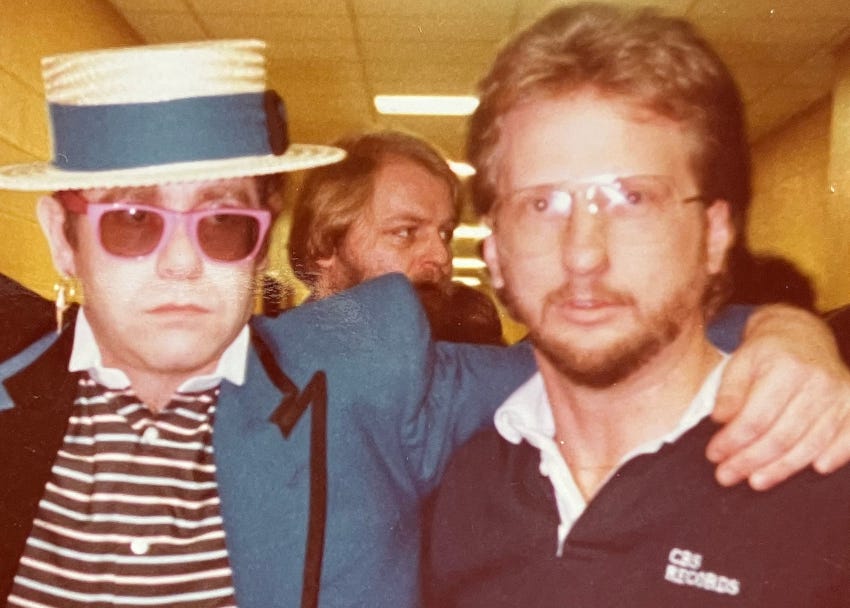
MURPHY: “WWKX Nashville was a P2 Top 40 that had just been sold and St. John decided to leave. The new owners took over and by mid-’85 it had become a shit show for me. We ultimately split and I went back to B95, the P2 in Beaumont. I was in Beaumont in early ‘86 when all the indie shit flew. That’s when I got the call from Beer.”
CHAPTER TWO: Turn The Lights Off
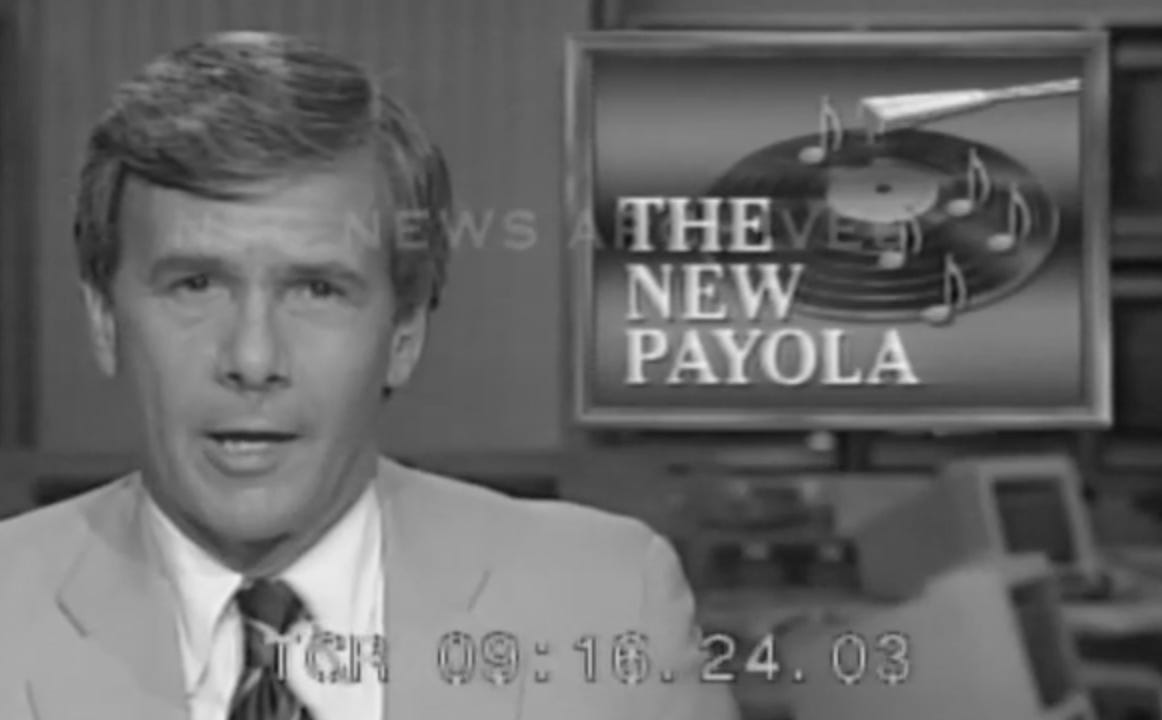
The indie shit Murphy referred to was a February 24, 1986, NBC News Report by Brian Ross titled “The New Payola” (LINK: "Mobfax" YouTube Page). Indies like Joe Isgro, Fred DiSipio, Jerry Meyers and Jerry Brenner — all pulling down millions — were immediately out of business. So were Beer and Lavinthal at Musicvision, who were forced to leave their own millions on the table. It was temporary unemployment. The two indies knew exactly where to find their lost money and they created another way to siphon it: HITS Magazine was born.
(MURPHY AUDIO- Murphy gets the call from his former indie Lenny Beer. 00:24)
MURPHY AUDIO TRANSCRIPT: “And I remember getting the call from Lenny and he was like, ‘We figured out how we’re going to do this.’ And I’m like, wow, really? And he goes, ‘Yeah, we’re going to do a magazine and it’s not going to be like the ones that you see now. It’s going to be slick. It’s going to look like TIME or one of those. Really good looking and legit, and this is how we’re going to do it. Yeah, this is how we’re going to get back in the game.’ And I moved. I couldn’t wait.”
CHAPTER THREE: Welcome To Your New Home
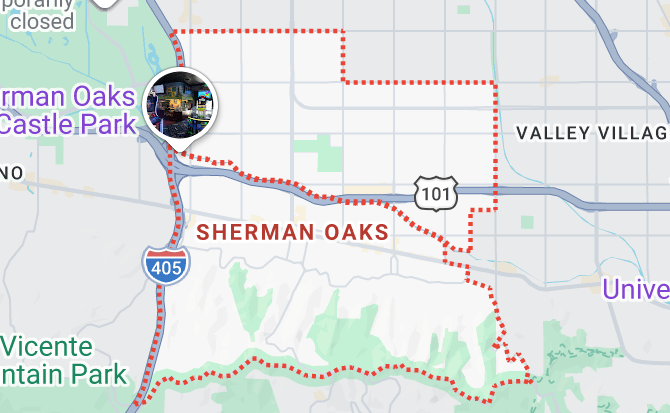
Lavinthal and Beer launched HITS from the two-story Fred Sands building on Ventura Blvd. off the 405. Creating a magazine from scratch, just months after the indie promo massacre, was a swirling shit show driven by two new publishers obsessed with quickly reclaiming their label promotion budgets.
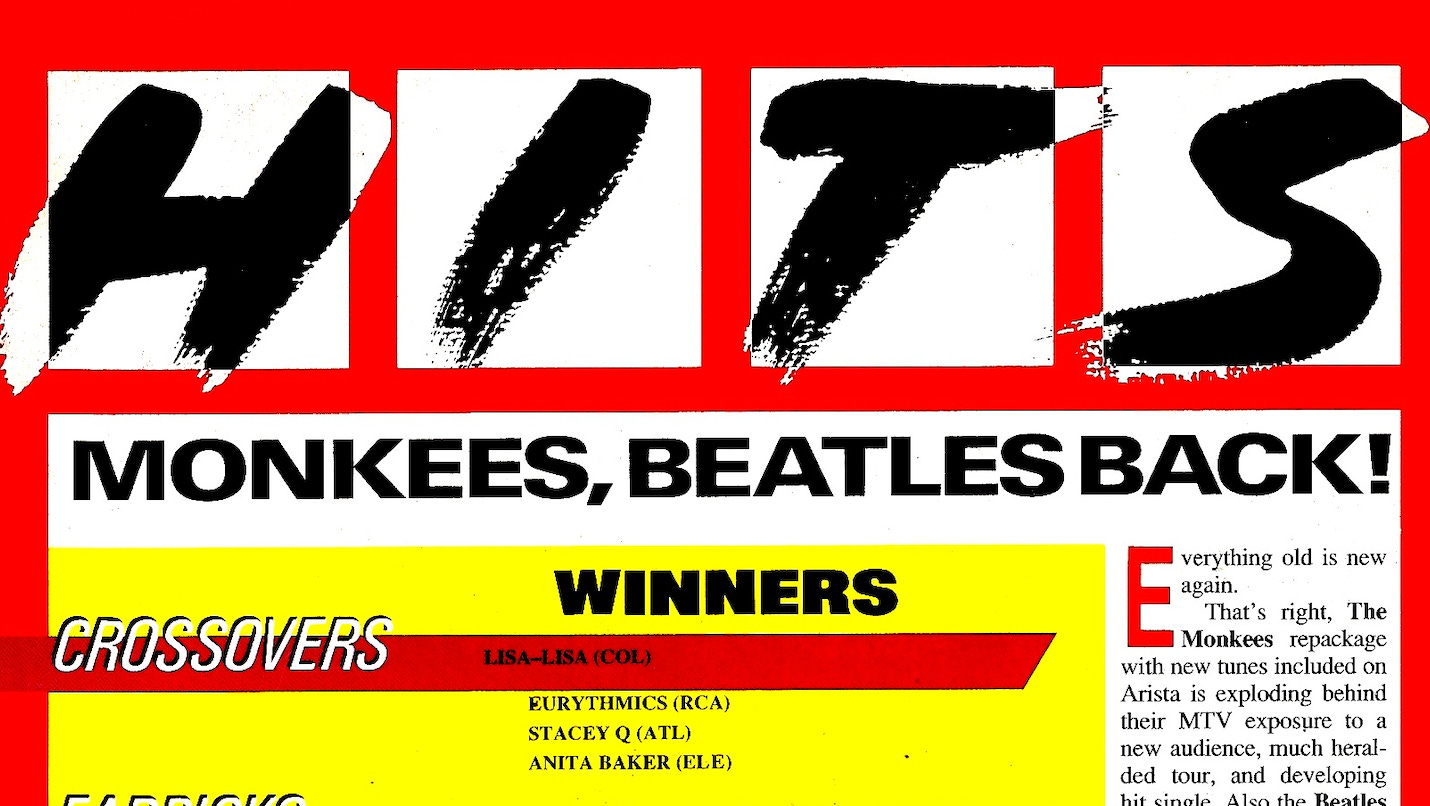
The day-one HITS hustle was, of course, radio. Regardless of its gloss, HITS was an industry “tip sheet.” It was Lavinthal and Beer’s tool to convince radio PDs that HITS was the source for discovering hit records to make their stations successful and propel each PD higher in the radio ecosystem. The record labels would pay for HITS’ influence via advertising and individual promotion projects.
It was the Musicvision model with an added advertising revenue stream. It also required a substantial capital investment. That caused the publishers pain.
Beer was a veteran of the defunct trade Record World, who took massive pride in making its once-laughable charts legitimate. A genuine data (slash overall) nerd, Beer recognized early the need for sales numbers in the airplay equation when tracking (i.e., predicting) hit records, and he created teams at HITS to mine weekly airplay and retail numbers.
Like Musicvision, the HITS mandate was to cultivate relationships with radio stations. Provide them information. Listen and help them. Make them your guys. That was Murphy’s remit. There were immediate headwinds.
(MURPHY AUDIO - Convincing radio you’re not indie criminals. 00:35)
MURPHY AUDIO TRANSCRIPT: “In the beginning, there were a lot of people that were afraid to talk to us. That’s because of Lenny and Dennis, their indie background. Their independent record promotion background. So everybody was very afraid of us. They didn’t want to get in trouble. They didn’t want to look like they were doing something wrong. It was a good solid year or more, really, to get people where they were like okay and comfortable enough. I can remember going to conventions or stuff like that and going up and wanting to introduce yourself and guys like hauling ass. They didn’t even want to be seen with you. They were afraid.”
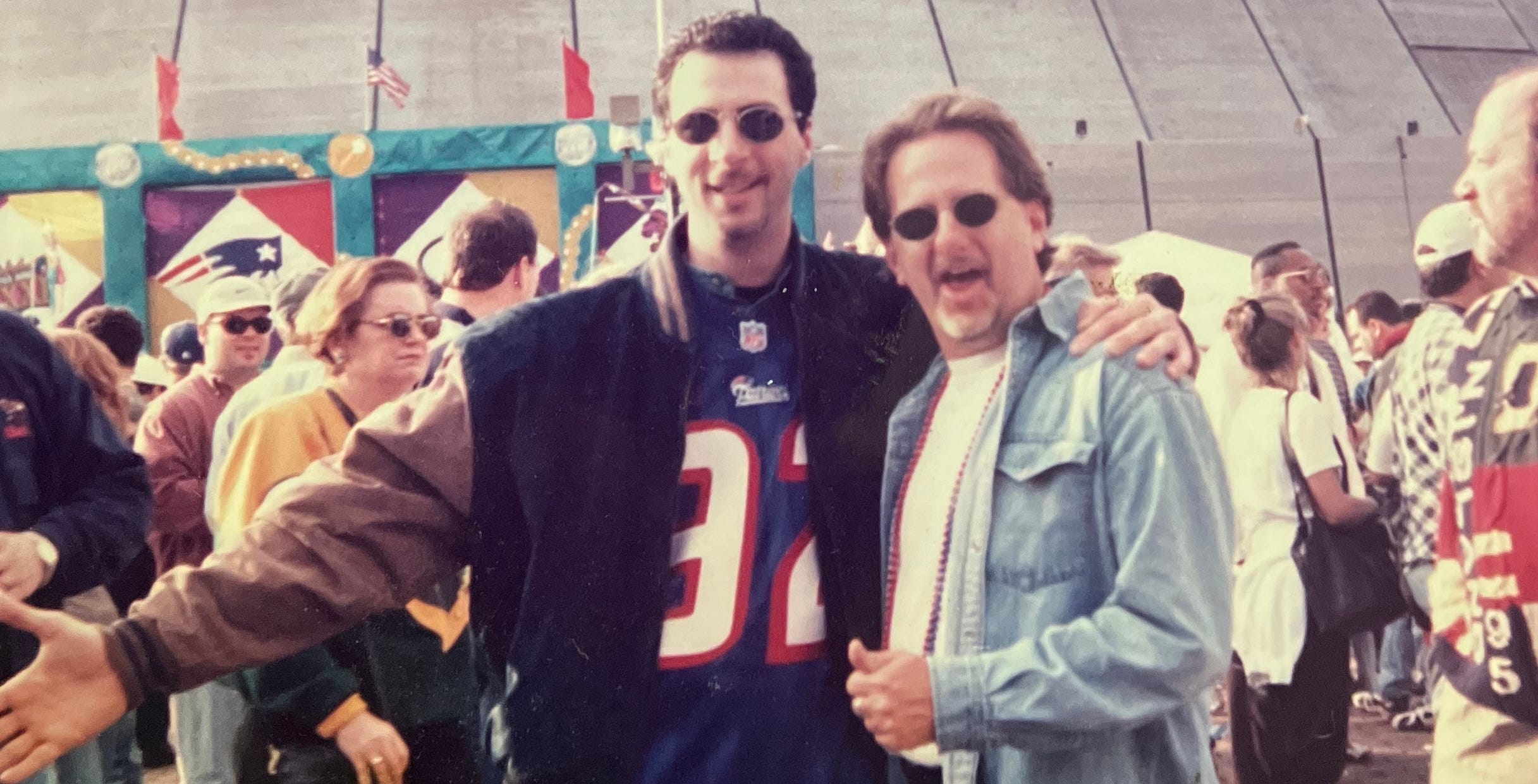
There was also the matter of producing a weekly magazine, and it wasn’t cheap. To Lavinthal and Beer, negative cash flow equaled death. The two publishers emphatically impressed upon their new staff that failure to recoup and earn was not an option. Get going or get out.
(MURPHY AUDIO - Welcome to publishing. Murphy goes from adds to ads. 1:02)
MURPHY AUDIO TRANSCRIPT: “It was like, what am I doing here? You know, it was a learning experience just going into the magazine, because we were really putting out a magazine. We were part of that. My job wasn’t just calling radio stations and talking to them. We actually had to be part of putting out that magazine. The selling of the ads, which was a whole new ball game for me, that was really hard in the beginning, because we had to sell every ad. Later, as the years went by, big overall deals were made, but in the very beginning, it was a week to week thing, selling those ads. And it was like the bane of my existence. Lenny and Dennis up our butts to get some ads in the mag. It was a tough sell to the labels at that time. Our rates were pretty high. So it was a rough gig in the beginning. It was the part of it that was not a lot of fun. Okay, I have to tell Lenny and Dennis that no, RCA is not buying an ad this week.”
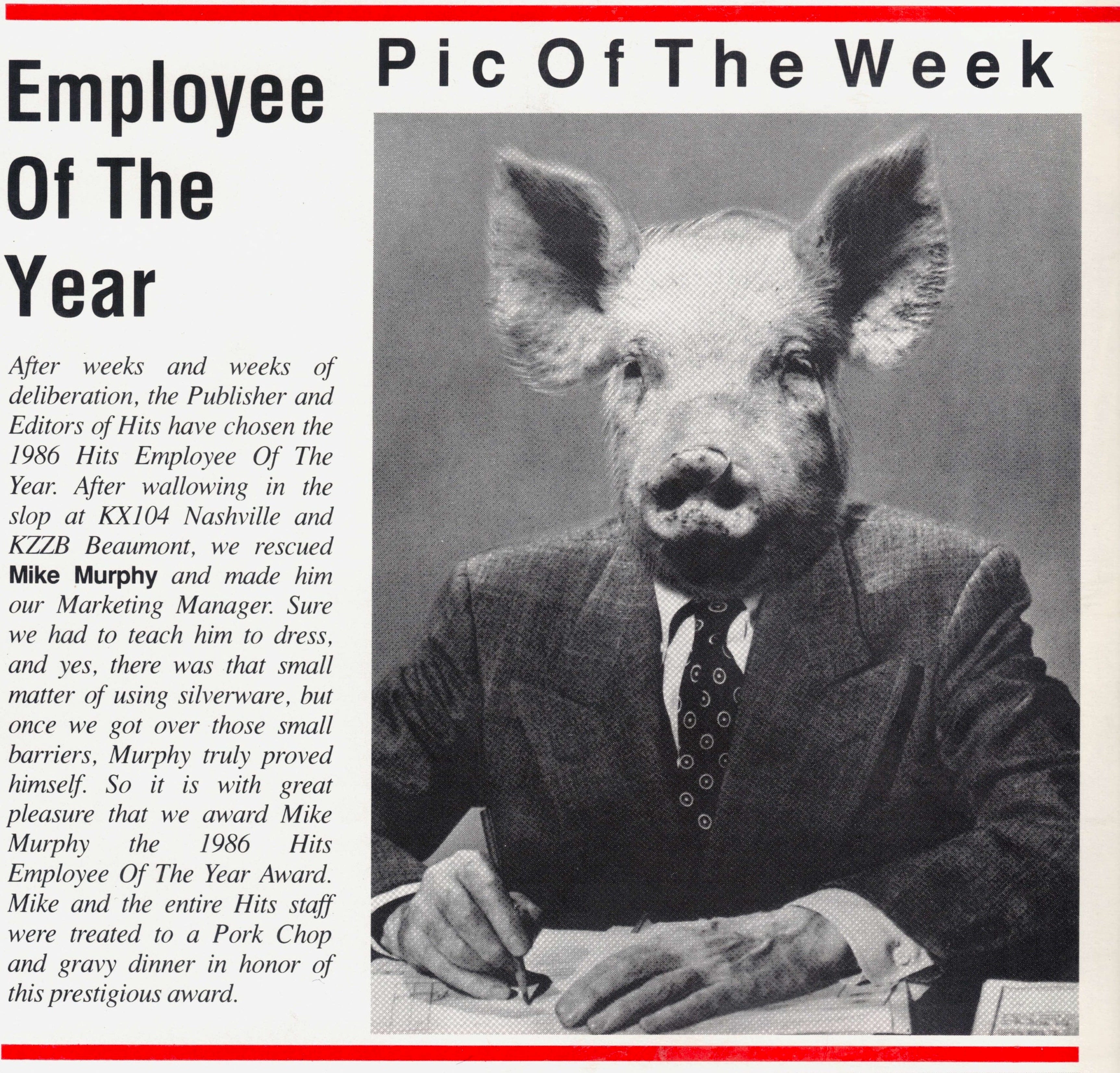
CHAPTER FOUR: Shit Gets Wacky
The first year of HITS Magazine was a hazy fever dream. The HITS office was a high-pressure psychotic cluster fuck, and the psychosis started to show up in print. Then it started to define us. Lavinthal and Beer wanted to make money. When psychotic HITS started earning, they let their people run wild. The increasing craziness, both in office and in print, tracked with revenue spikes, and that’s what mattered to the publishers. Off the rails was good for business, and business got good.
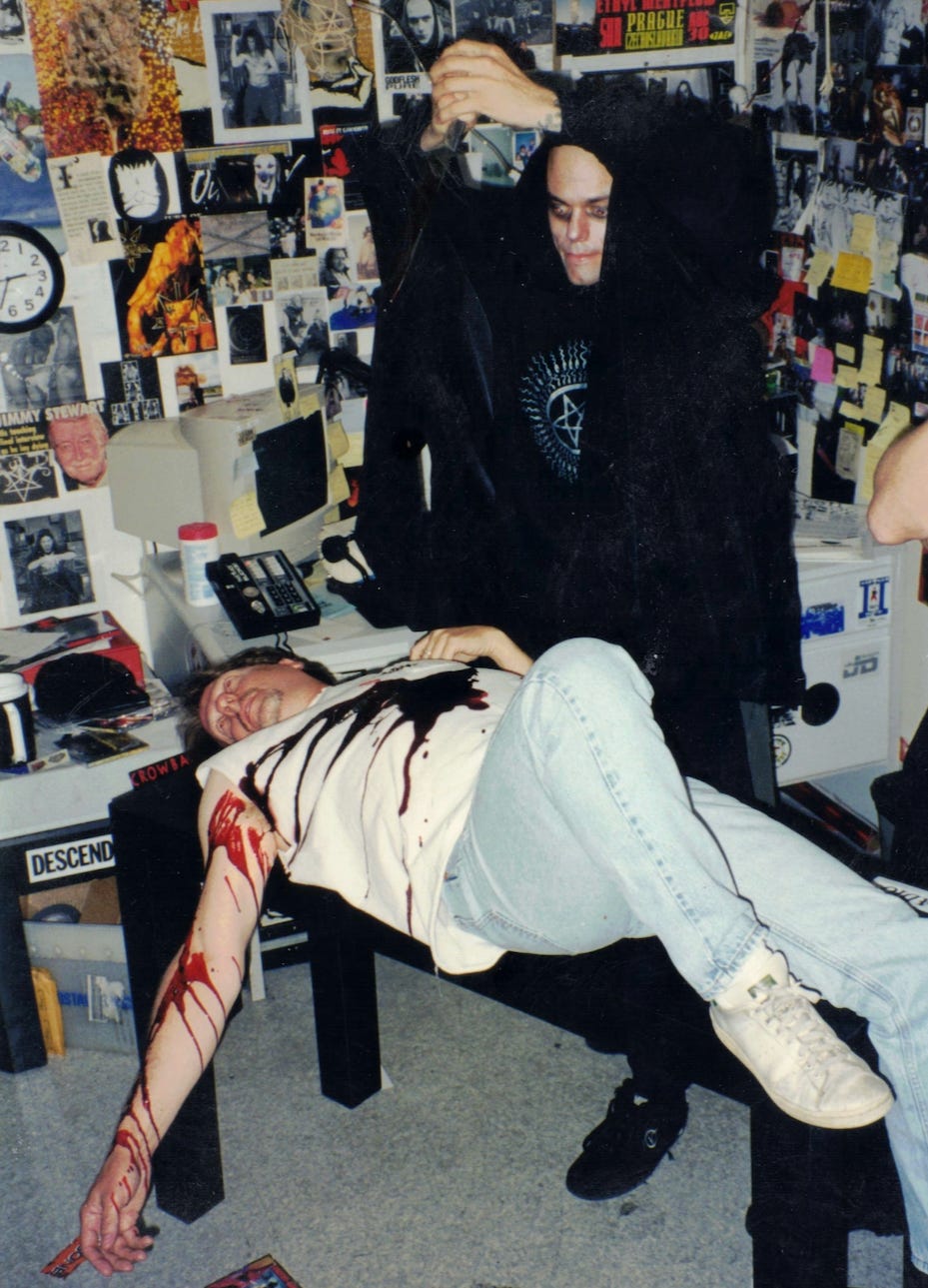
(MURPHY AUDIO- A license to act stupid. 00:42)
MURPHY AUDIO TRANSCRIPT: “We became empowered. It was like we got away with a lot more stuff. We got to do more things. We got to be crazier. We were bigger in the business. So people took you more seriously. It was big on the ego, you know, definitely fed the ego of everybody that was part of it. There was a time where the silliness and the things that we would do were kind of just relief and release of like tension from all of the stuff. And then it became more of a sport to mess with people in the office, you know, our coworkers, a lot of pranks and that’s kind of thing. It just all blew up. I mean, it just became full blown.”
Murphy acted out if we took our own shit too seriously. Rock guy Jimmy Barnes, a surfer, meticulously decorated his office in an ocean motif. It was very professional. Murphy and Todd Hensley hung fish heads from the ceiling and nailed a salmon to the wall.
My office in the new HITS building also made the seafood circuit. After an ill-advised declaration that only framed pictures would be hung on the wall, I found a large Louisiana crawfish nailed to it. Its red discharge permanently soaked through the paint.
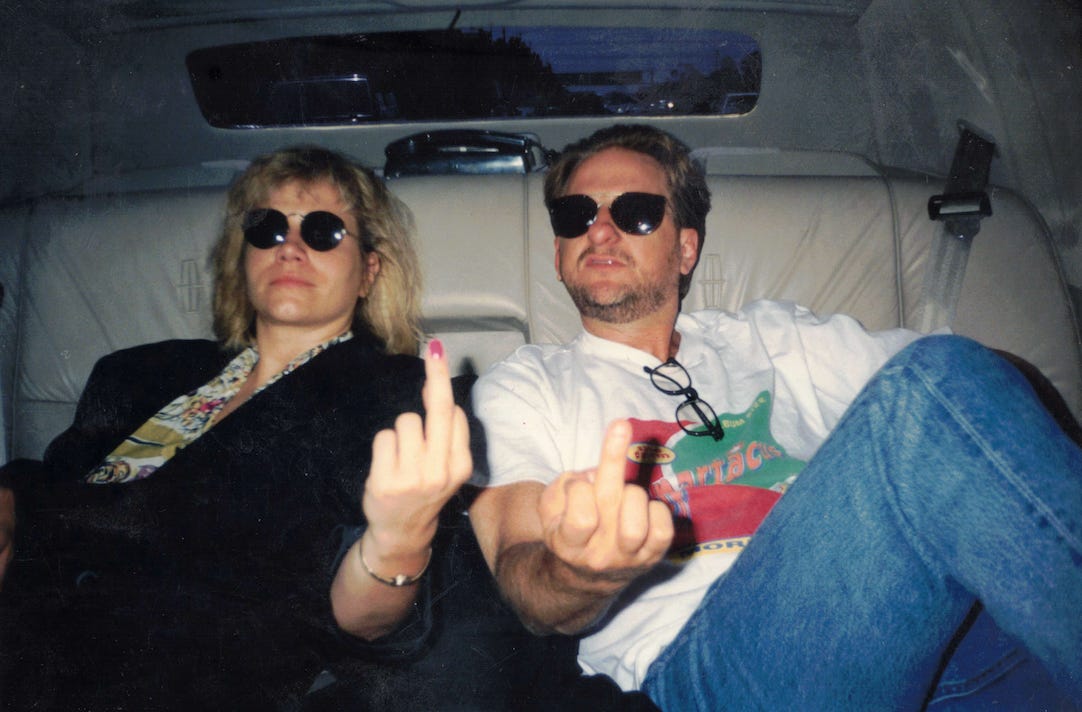
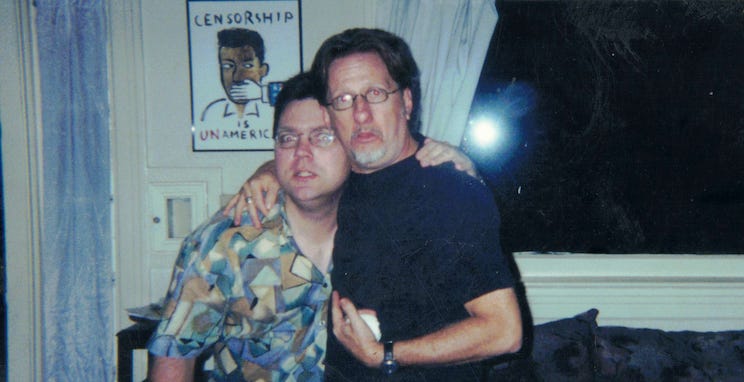
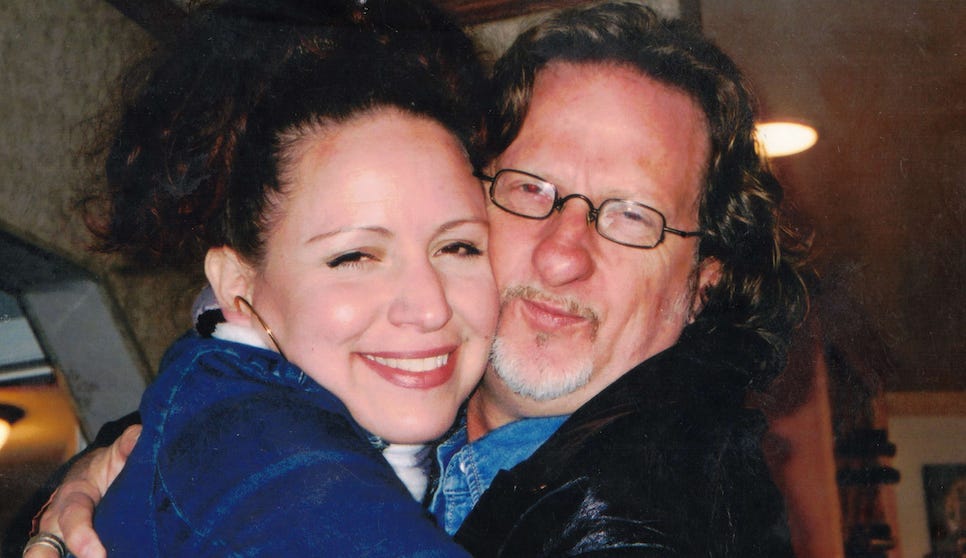
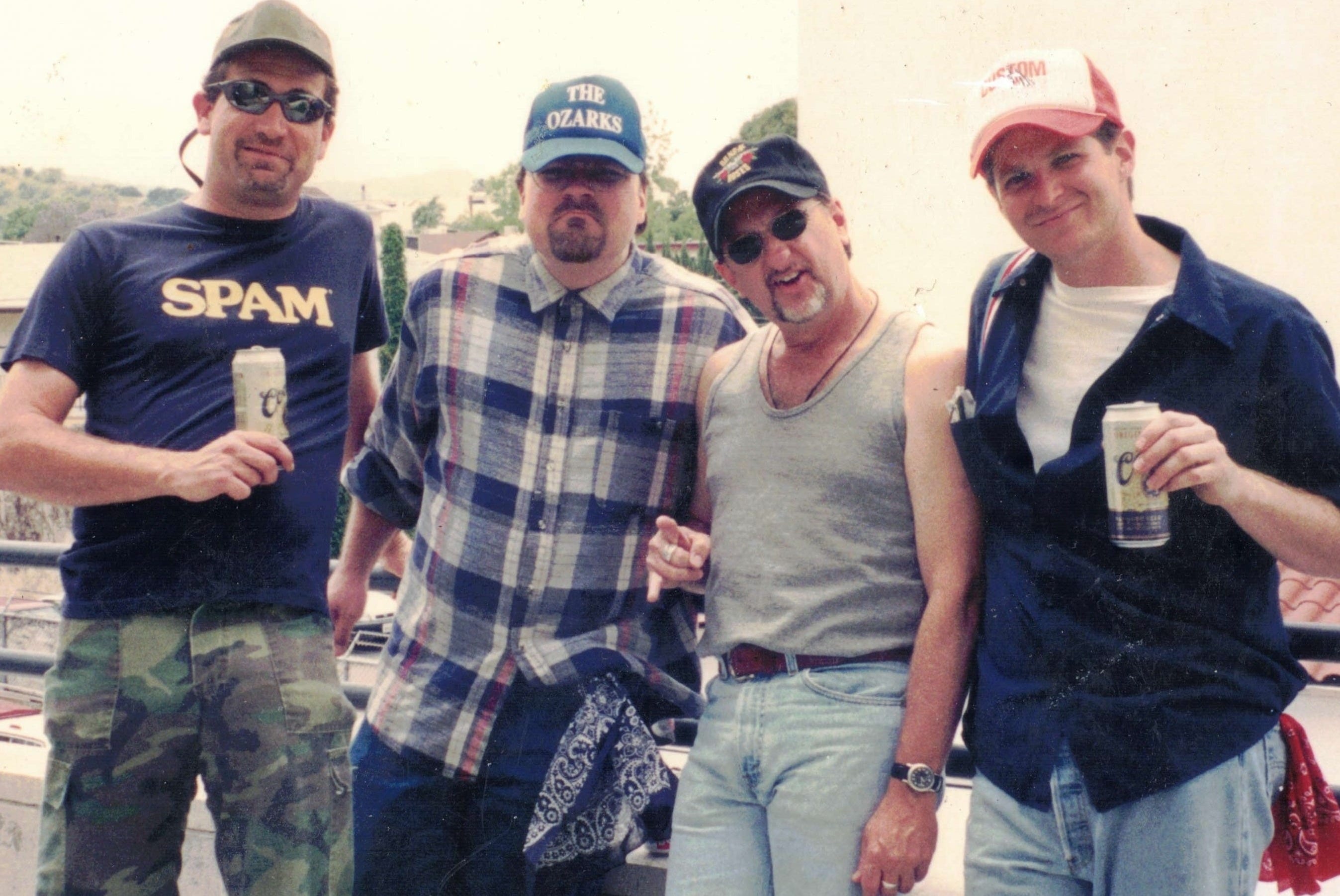
An inventory of antics doesn’t age well. Tales of wacky koo-koo decades later don’t convey the unique, adventurous environment early HITS became. The formative years were creatively edgy, collaborative, exhausting — and some found it fun. It was hard, deadline-driven work over very long hours every week, every year. It was produced as a team. Sometimes shit got crazy.
Ultimately, the collective experience of cranking out a weekly music trade with few guardrails helped create friendships among those living it. People at HITS bonded.
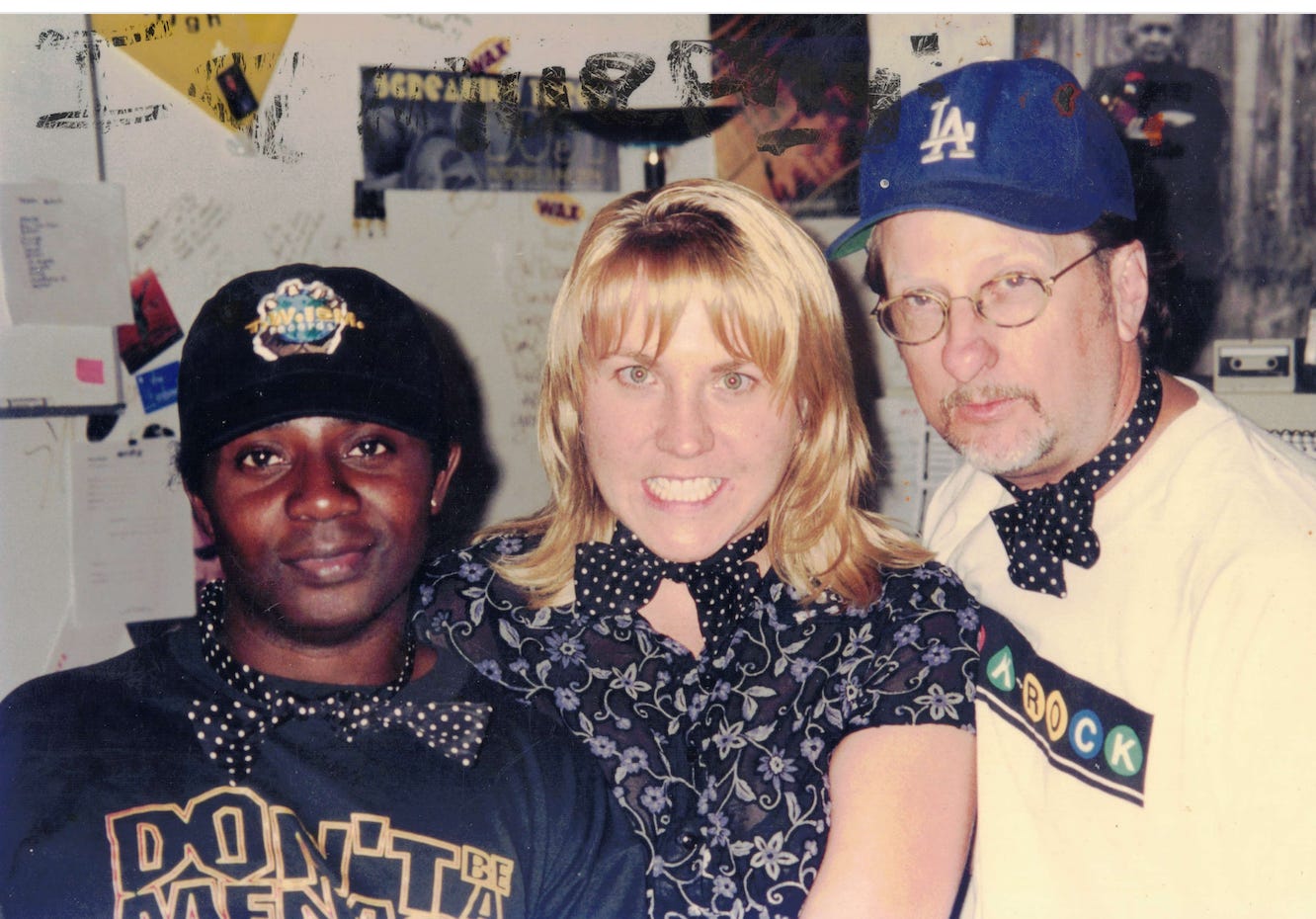
(AUDIO- Murphy thinks we may have been annoying. 00:28)
MURPHY AUDIO TRANSCRIPT: “I will say this: I’ve always noticed that especially during all of that time is that HITS was a clique. I mean we hung together. You know, it would be we would go to events, we would go do things and then invariably we would end up together, all of us together, being crazy and doing shit. It was never mean-spirited stuff. We did crazy stuff that probably rubbed people the wrong way, but it wasn’t set out to be that. It was just maybe annoying or whatever.”
CHAPTER FIVE: The Publishers Get Their Money
If reclaiming their lost indie bounty was the intention behind the birth of HITS Magazine, then Dennis and Lenny achieved their goal.
Anyone who’s worked for Lavinthal and Beer knows the unrelenting focus on extracting maximum money. And get the fuck out of their way while they do it.
By 1996, Lavinthal and Beer had structured multi-level promotion, marketing and advertising deals across many major labels and their umbrella music groups. The magazine (no longer a tip sheet) they created in 1986 to reclaim their indie money was thriving.
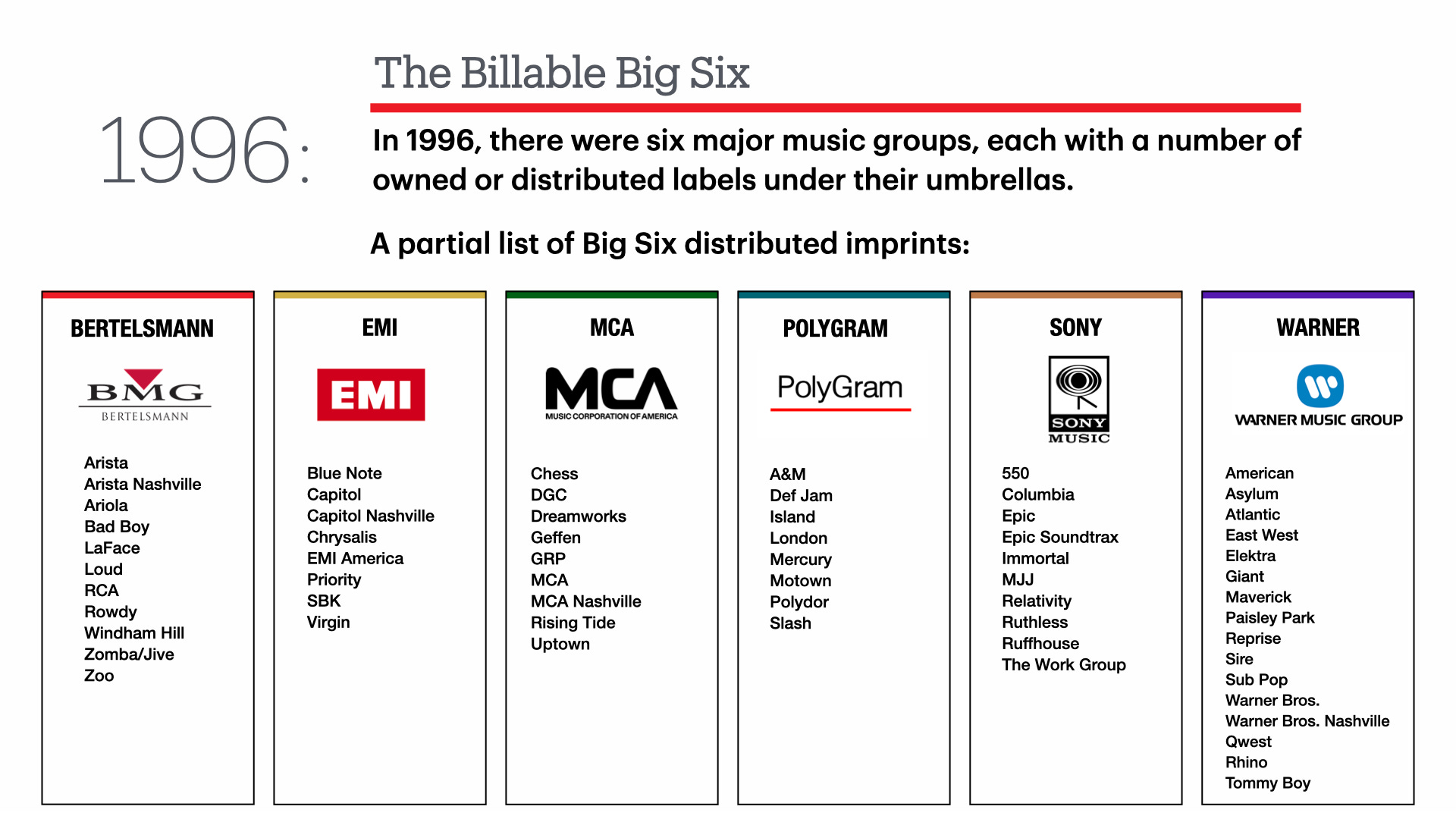
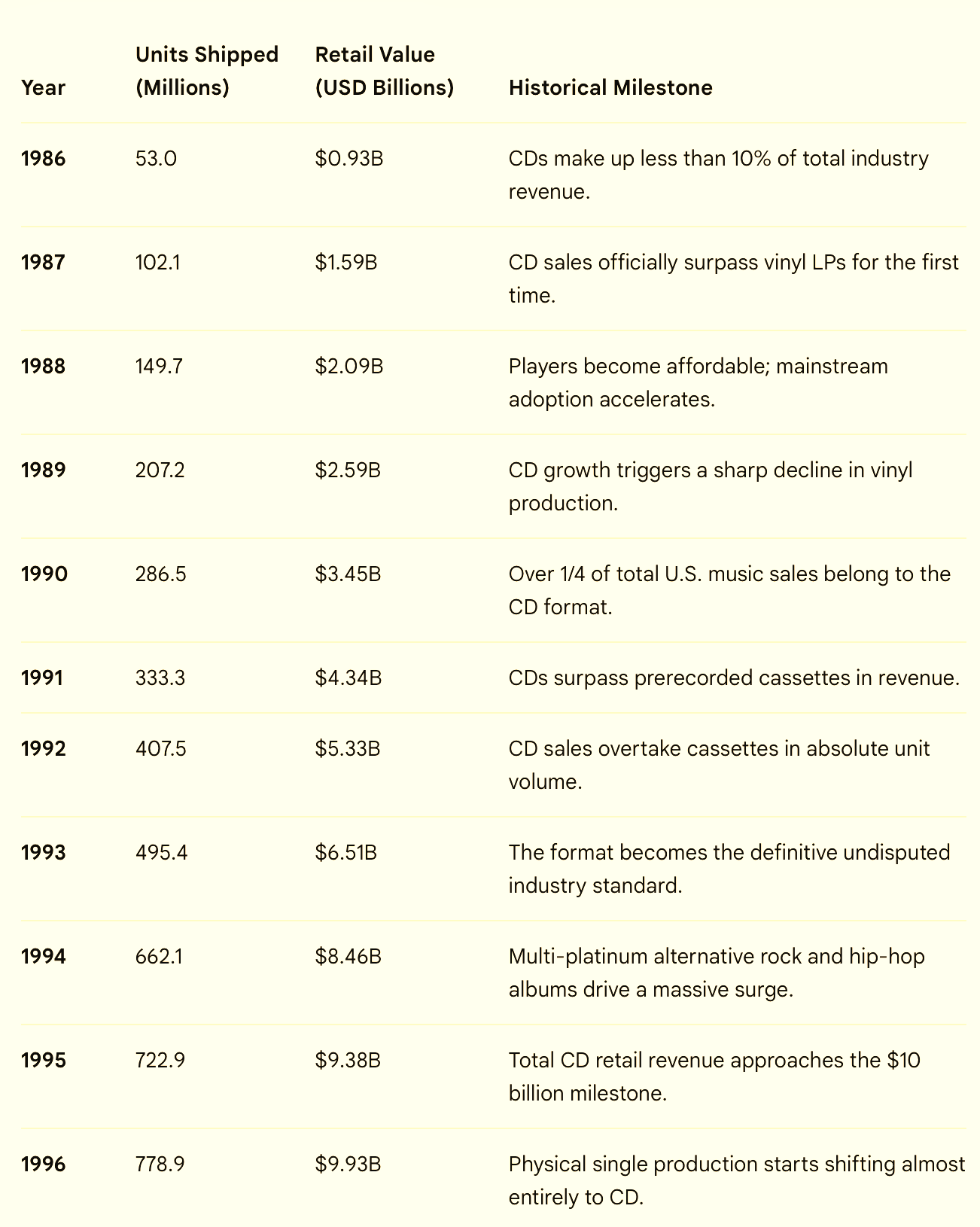
Timing helped. The first ten years of HITS coincided with the astronomical rise of the Compact Disc. The record companies, and the people who ran them, were getting fat off shiny little pieces of polycarbonate and metal.
Label executives desperately clinging to their inflated salaries and bonuses were more than happy to peel for HITS’ bold-face printed love and support. Lavinthal and Beer were fronting a path to career advancement. You just had to pay the toll. It wasn’t cheap.
Those who didn’t pay were not appreciated. They received far less-loving treatment. Some found it easier to just pay. To the publishers, that’s what label budgets were for.
In reality, Lavinthal and Beer never significantly changed their core approach to money extraction over that historic ten-year market shift. By 1996, there was just a lot more to extract.
By the mid-90s, HITS achieved the Musicvision business model announced in the September 23, 1978, issue of Cash Box: “A full service marketing company specializing in record promotion, advertising, merchandising, trade relations, sales and distribution.”
By 1997, HITS’ billing numbers were staggering.
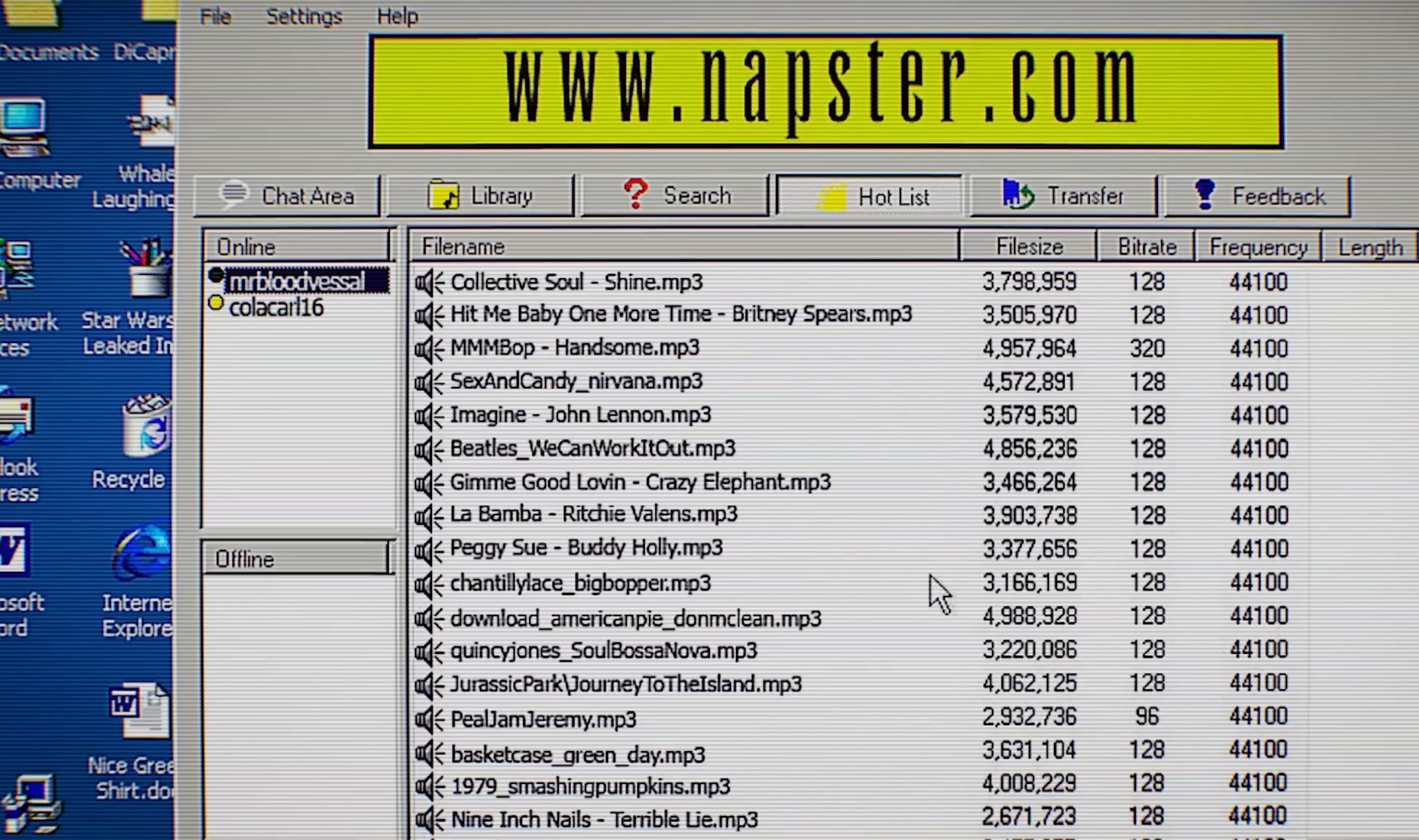
No one was thinking about 1999.
CHAPTER SIX: Ties That Bind
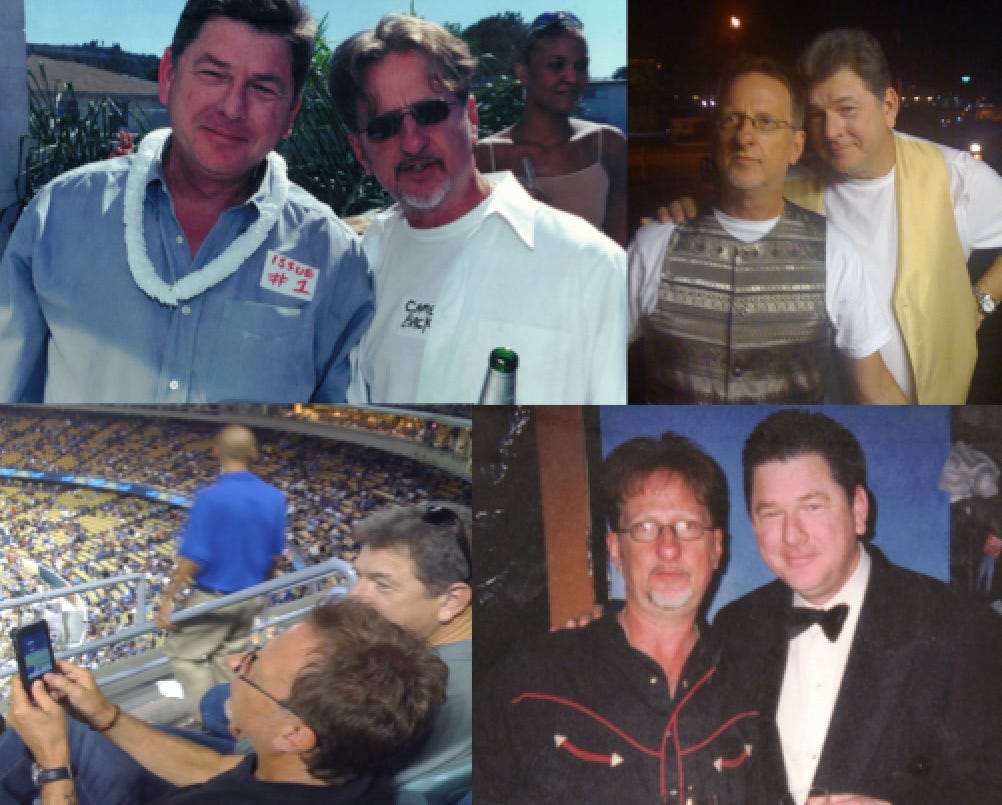
The friendships established during the early years of HITS Magazine are now decades old. People remain connected.
(AUDIO- Ultimately, Murphy’s the glue. 0:59)
MURPHY AUDIO TRANSCRIPT: “I have a core group of guys that I’ve stayed very close with, but I still have all of these people that I’ve worked with, and we have this common thread. I do believe it survives to this day. Maybe some people that were there didn’t have that same experience and don’t look at it the same. But I believe that the majority of the people that worked there at that time, even if it didn’t work out for them in the long run, I gotta believe that most of them look back and go, ‘Yeah, you know what? I’m glad I was there, that I experienced that.’ Absolutely our own little HITS cult exists out there. And I think the majority are happy that they were part of it for however long they were there. I gotta believe they were. It was like, oh my god, you don’t get that kind of experience. There’s no way now. You just can’t. It does not exist. And it sure wasn’t perfect, but it was fun. Yeah, I would love to go through it again.”
Epilogue
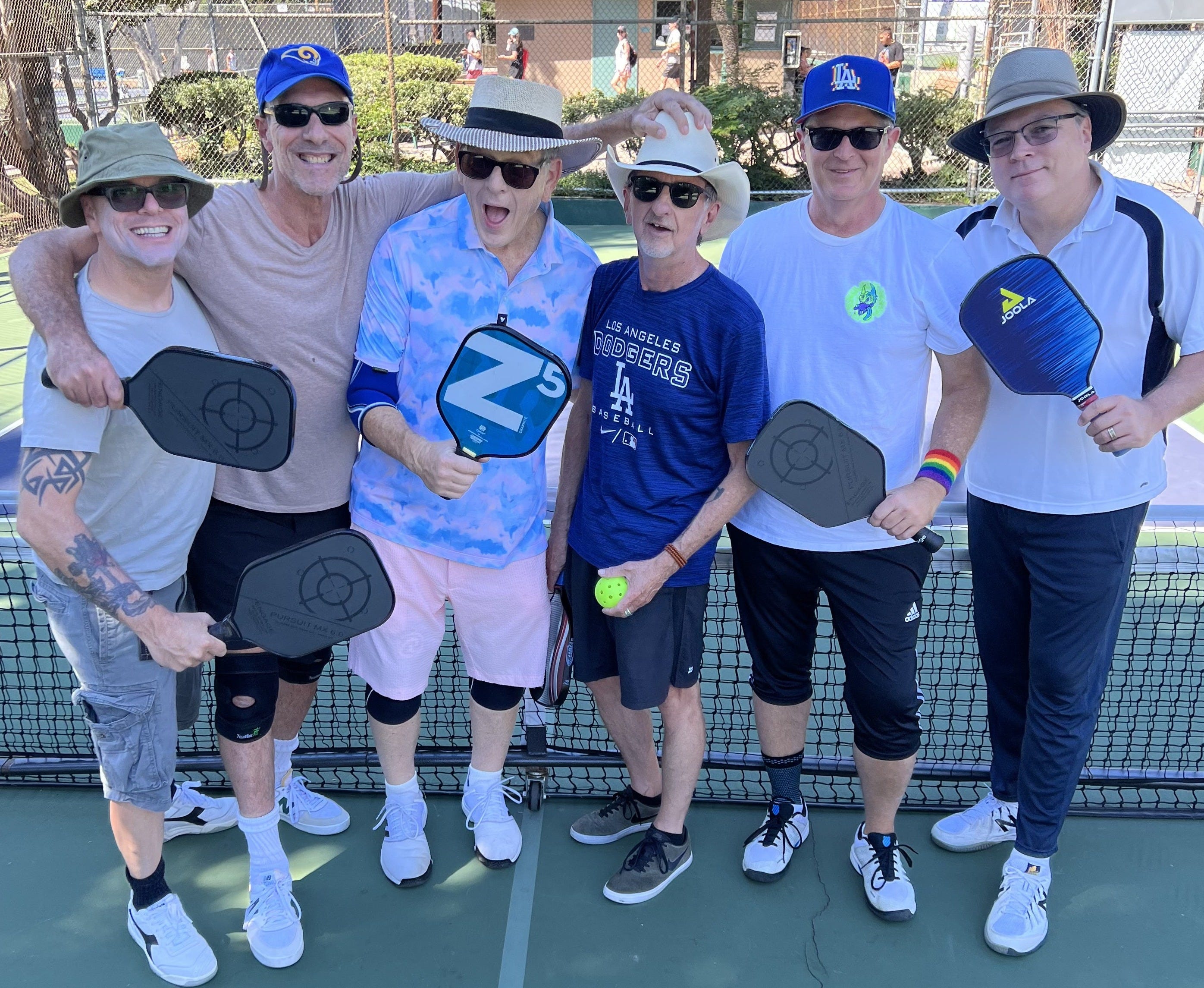
I was at HITS Magazine from 1986 until I flamed out and withered away. Murphy, Joe Fleischer, Jon O’Hara, Jimmy Stewart and Mark Pearson lived a lot of that with me. They remain my close friends today.
There are many other friendships among many other folks who lived it. They all have their own tales to tell.
It’s possible only those who were there would enjoy them.
Thanks to Murphy for reluctantly agreeing to be recorded in 2018 — and for his prophetic warning about mythologizing the early years of HITS. I didn’t listen.
(Murphy audio wrap: 0:12)
9029wonder@gmail.com